


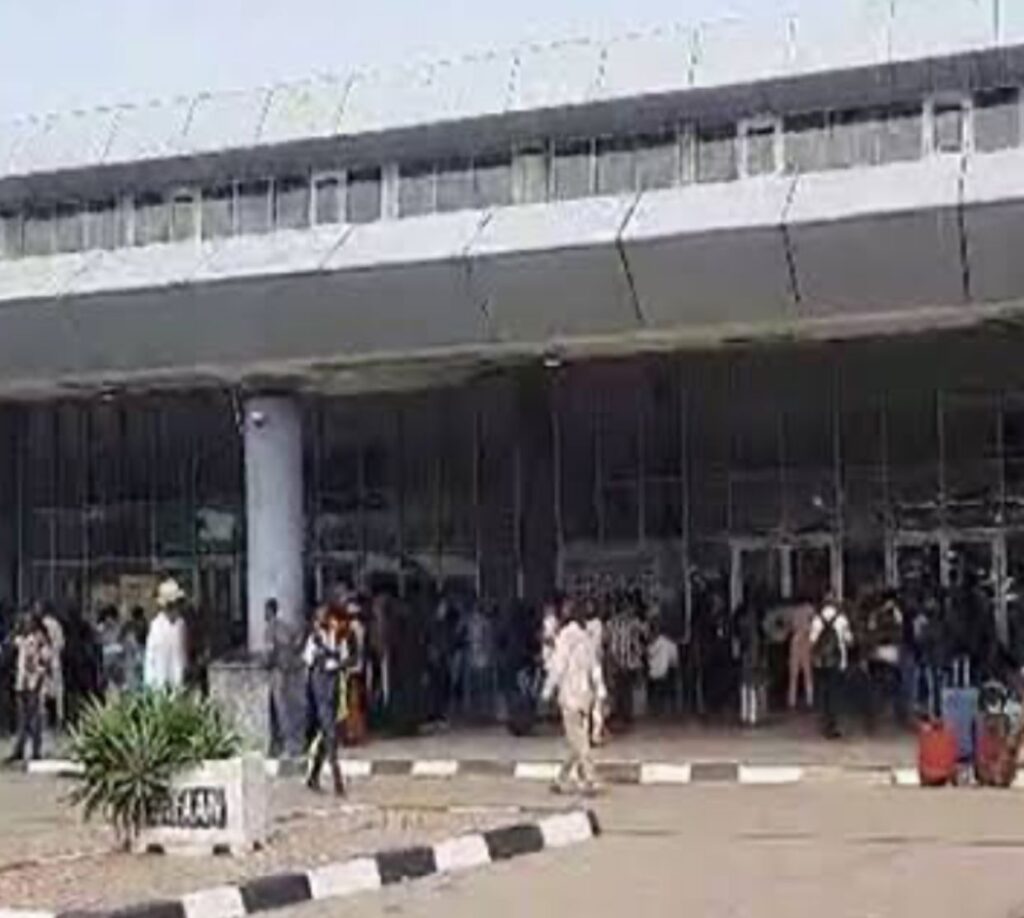
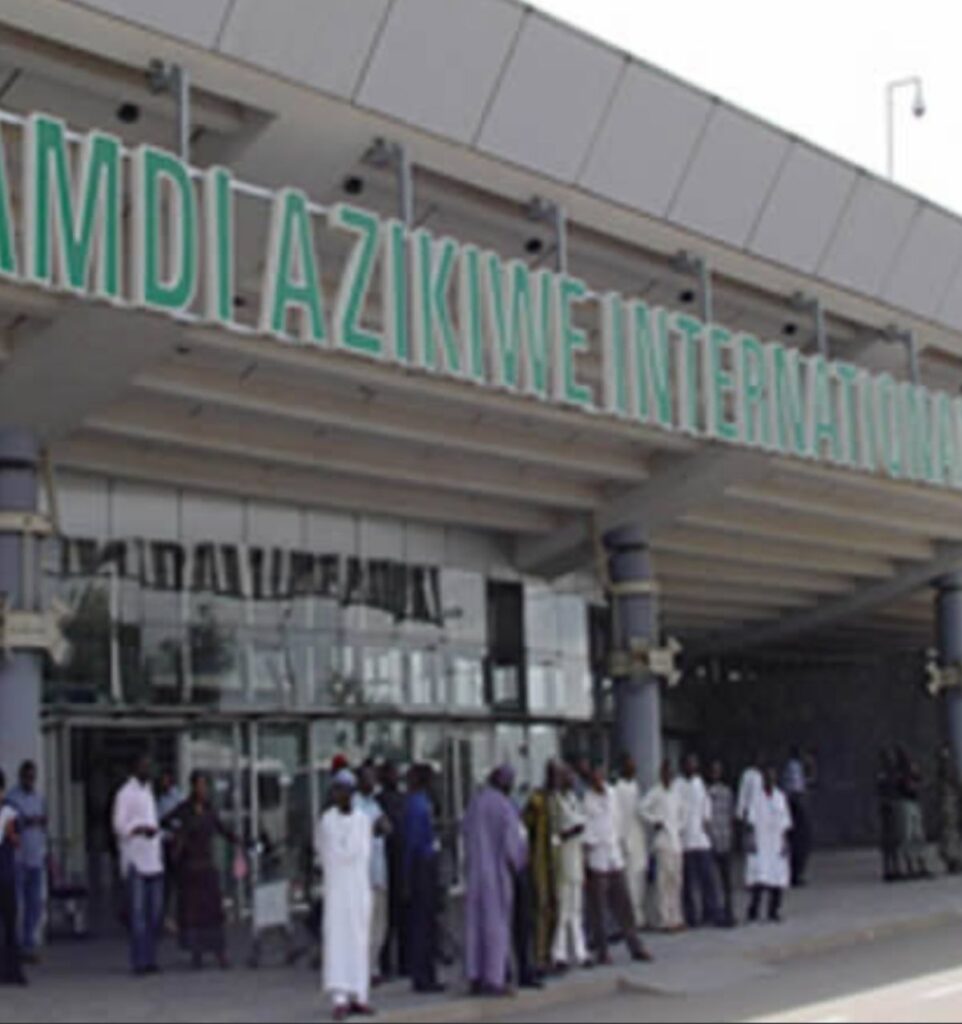
Passengers travelling through the Nnamdi Azikiwe International Airport were left stranded on Tuesday following severe traffic congestion triggered by the full enforcement of a cashless payment policy by the Federal Airports Authority of Nigeria (FAAN).
The implementation of the “Operation Go Cashless” directive resulted in long queues of vehicles stretching from the airport toll gate, with many passengers abandoning their cars and trekking with luggage in a desperate attempt to catch scheduled flights.
FAAN had earlier mandated compulsory electronic payments at all airport revenue points, including access gates, car parks, VIP lounges and protocol services. Although the policy was announced nearly six months ago — with September 2025 initially set as the commencement date — enforcement remained largely inactive until February, when authorities confirmed that full activation would begin on March 1, 2026, as part of efforts to curb revenue leakages.
Tuesday’s exercise marked the first comprehensive rollout of the directive in Abuja.
Under the new system, airport users are required to obtain a dedicated FAAN electronic payment card, which must be registered, funded and scanned at designated entry points. However, many motorists reported difficulties using the cards, while others who attempted payments via commercial bank ATM cards or Point-of-Sale (POS) terminals complained of repeated transaction failures and slow processing times.
The delays led to significant gridlock at the airport entrance, disrupting travel plans and sparking widespread criticism.
Aviation analyst Olumide Ohunayo said the crisis highlights deeper structural shortcomings in the policy’s implementation. According to him, authorities appeared to prioritise revenue enforcement over operational planning.
“When this policy was being introduced, the first consideration should have been how traffic would flow seamlessly. In this case, revenue came before traffic management, and that is why we are seeing setbacks,” he said, adding that while the policy aims to enhance transparency and efficiency, insufficient attention was given to traffic patterns, commuter behaviour and infrastructure capacity.
The situation has also drawn strong reactions on social media, with several Nigerians questioning the timing and execution of the policy. Many users argued that the transition should have been phased or tested during off-peak periods to avoid disruption.
As of press time, traffic flow into the Abuja airport remained slow, with security personnel and traffic officials working to manage the congestion.
By; Success Benjamin