

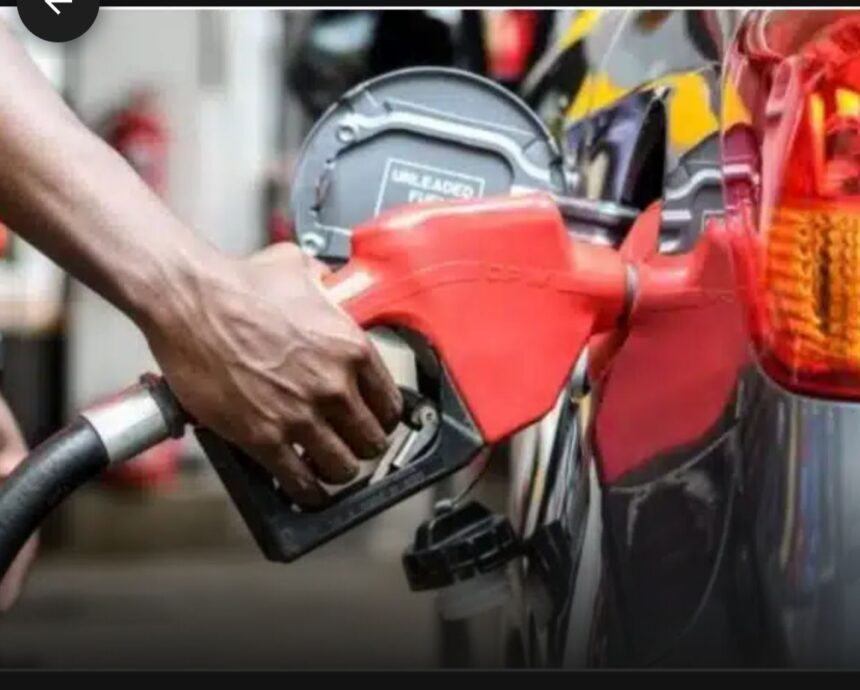
Several filling stations across Nigeria have begun reducing the pump price of Premium Motor Spirit (PMS), following recent price cuts by the Nigerian National Petroleum Company Limited and the Dangote Refinery.
The reductions were observed at major retail outlets in Abuja on Tuesday, with prices dropping significantly from previous rates, offering some relief to motorists and businesses grappling with high fuel costs.
Checks indicate that filling stations operated by Mobil, NIPCO, Ardova (AP), and Eterna have adjusted their pump prices to between ₦1,280 and ₦1,296 per litre. This marks a decrease from earlier prices ranging between ₦1,370 and ₦1,390 per litre, reflecting a reduction of about ₦90 to ₦94 per litre.
The development comes less than 24 hours after the NNPCL announced a downward review of its petrol pump price to ₦1,295 per litre, down from ₦1,361 per litre. The move by the national oil company appears to have triggered a ripple effect across the downstream sector, with independent marketers and major distributors quickly aligning with the new pricing structure.
Industry observers say the price adjustment is also linked to the earlier decision by the Dangote Refinery to cut its petrol gantry price by ₦85, bringing it down to ₦1,200 per litre. The gantry price, which is the rate at which marketers purchase fuel directly from the refinery, plays a key role in determining retail pump prices.
The refinery had previously raised petrol prices multiple times in March 2026, citing volatility in global crude oil markets. The fluctuations were largely driven by geopolitical tensions involving Iran, the United States, and Israel, which impacted global supply dynamics and pricing benchmarks.
With the latest reduction, analysts believe increased local refining capacity—particularly from the Dangote Refinery—is beginning to exert downward pressure on fuel prices, reducing reliance on imports and stabilizing supply.
Economic experts note that the price drop, if sustained, could ease transportation costs, lower the price of goods and services, and reduce inflationary pressure on households. However, they caution that fuel prices remain sensitive to global oil trends, exchange rates, and distribution costs.
Meanwhile, marketers across other parts of the country are expected to gradually adjust their prices in line with the new supply costs, although variations may persist due to logistics and regional factors.
The latest development signals a potential shift in Nigeria’s downstream petroleum market, as competition and local production increasingly influence pricing, raising hopes for more stable and affordable fuel in the coming months.