

Iran has dismissed claims of ongoing negotiations with the United States, contradicting recent remarks by U.S. President, Donald Trump, who suggested that diplomatic efforts were underway to end the conflict.
Speaking on Wednesday, Iran’s ambassador to Pakistan, Reza Amiri Moghadam, said there were no direct or indirect talks between Tehran and Washington. He noted that while some countries have attempted to mediate, no concrete engagement has taken place, describing the current situation as “illegitimate aggression.”
Iran’s military also reinforced this position. Spokesperson of the Khatam al-Anbiya Central Headquarters, Ebrahim Zolfaqari, dismissed U.S. claims of diplomacy, stating that Washington was effectively “negotiating with itself.” He added that regional stability would remain uncertain unless the U.S. changes its approach.
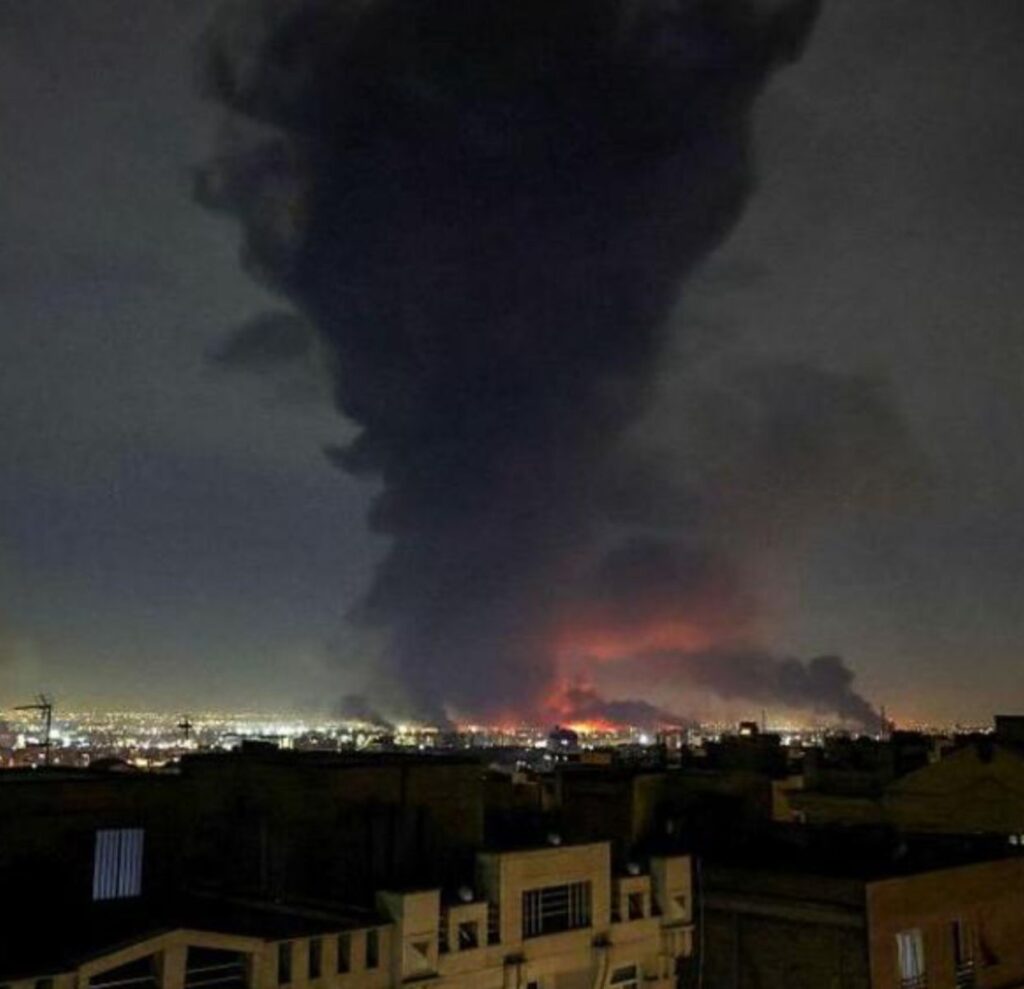
The diplomatic dispute comes amid intensified military activity across the region. Iran launched a fresh wave of missiles and drones early Wednesday, targeting Israel and locations hosting U.S. forces in Kuwait, Jordan, and Bahrain, according to the Islamic Revolutionary Guard Corps.
Air raid sirens were reported across central Israel, with missile trails sighted over Netanya. In Kuwait, a drone strike reportedly hit a fuel tank at the international airport, sparking a fire, while Jordan confirmed falling debris near Amman. Bahrain also activated its air defence systems in response to the threat.
The conflict, which began on February 28 following coordinated strikes by the United States and Israel on Iran, has since spread across the Middle East, heightening instability in the region.
In Lebanon, Israeli forces have intensified operations against the Iran-backed Hezbollah, with authorities reporting over 1,000 deaths and more than a million people displaced amid widespread destruction, particularly in Beirut’s southern suburbs.
Despite Iran’s denial, Trump maintained that negotiations were ongoing, claiming Tehran had made a significant offer tied to the strategic Strait of Hormuz, although no further details were provided. Iranian authorities have not confirmed the claim, even as reports suggest possible backchannel efforts involving intermediaries such as Pakistan.
Meanwhile, the United States is reportedly preparing for further escalation, including the potential deployment of additional troops to the region.
The Strait of Hormuz remains a critical flashpoint due to its importance in global oil supply. Iran, in a communication to the International Maritime Organization, assured safe passage for non-hostile vessels but warned that ships linked to the United States and Israel could face restrictions.
The crisis has already begun to impact global markets, with disruptions affecting energy supplies and aviation routes. Airlines have been forced to reroute or cancel flights, while countries are adjusting energy consumption strategies.
A senior official of the World Trade Organization, Jean-Marie Paugam, warned that supply chain disruptions, particularly in fertilisers, could have lasting effects on global food production, potentially driving up prices in future harvest seasons.
Despite signals suggesting possible diplomacy, the widening divide between Tehran and Washington, alongside escalating military actions, continues to fuel uncertainty across the Middle East and beyond.