
Nine members of the Nigerian Senate have defected from their respective political parties to the African Democratic Congress (ADC) in what observers describe as a significant political realignment ahead of the 2027 general elections.
The defections were formally announced during plenary by Senate President Godswill Akpabio, who read letters submitted by the lawmakers notifying the chamber of their decision to leave their former parties.
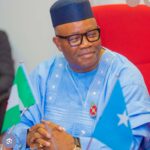
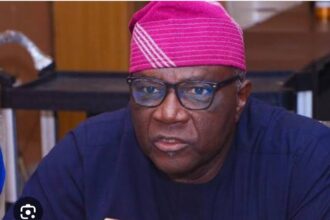
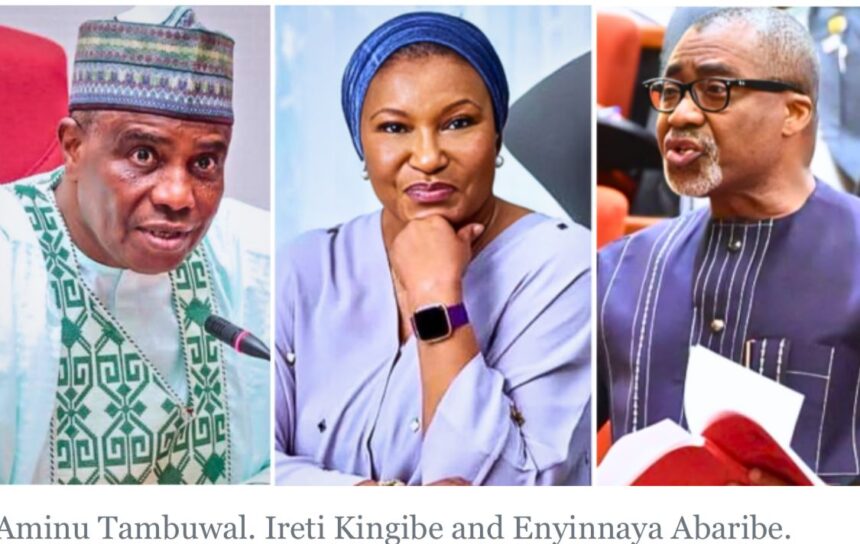
Those who defected include Aminu Waziri Tambuwal, Mohammed Ogoshi Onawo, Binos Dauda Yaroe, Austin Akobundu, and Lawal Adamu Usman, all formerly of the Peoples Democratic Party (PDP).
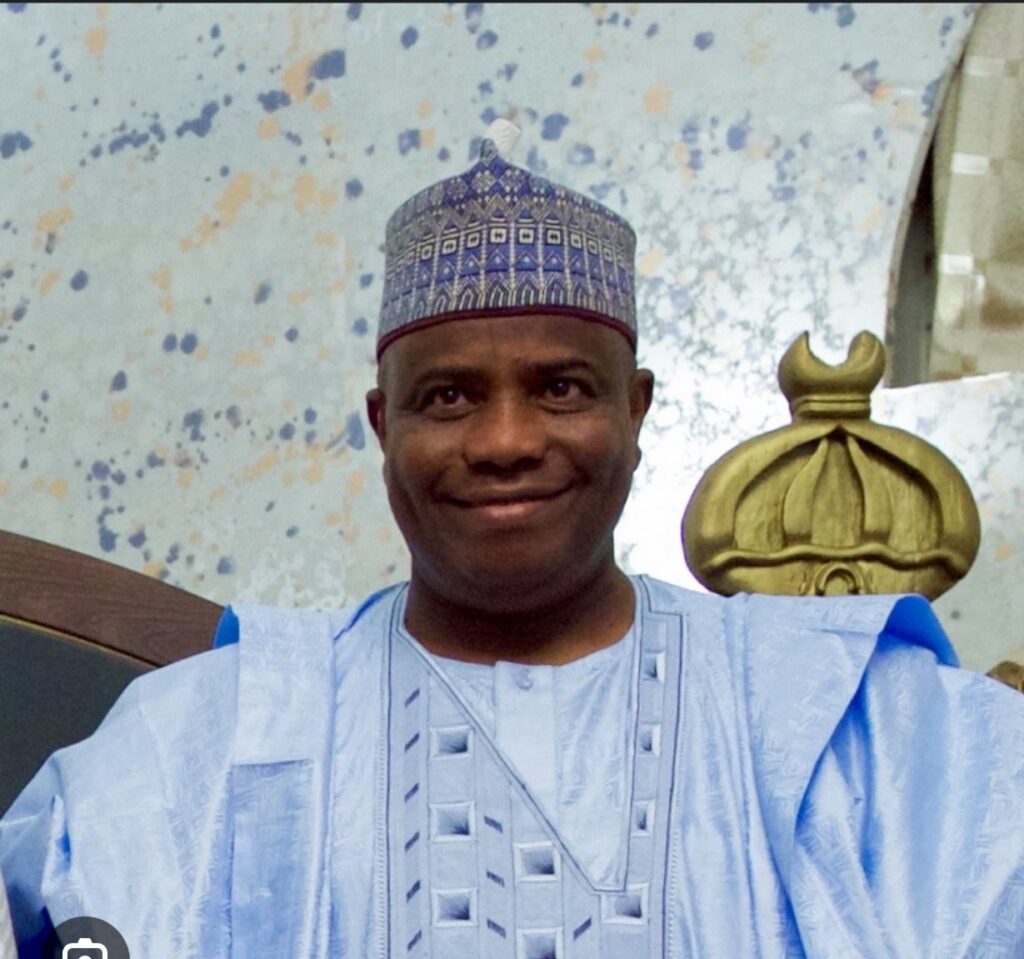
Also joining the ADC are Ireti Kingibe, Victor Umeh, and Tony Nwoye, who defected from the Labour Party (LP), as well as Enyinnaya Abaribe from the All Progressives Grand Alliance (APGA).
Reading one of the letters during plenary, Akpabio quoted Tambuwal as citing persistent internal crises within the PDP as the primary reason for his defection. According to the letter, ongoing leadership disagreements, litigations, and divisions within the party had weakened its unity and direction.
The Senate leadership, however, said it would review the circumstances surrounding Abaribe’s defection, giving the lawmaker one week to reconsider his position.
Political observers say the defections represent a rare shift in Nigeria’s political landscape, as recent realignments have largely seen opposition politicians joining the ruling All Progressives Congress (APC).
The development comes amid concerns among opposition leaders that Nigeria may be drifting toward a dominant one-party system following a wave of defections to the APC since President Bola Ahmed Tinubu assumed office. The president has, however, dismissed such claims, insisting that Nigeria remains a democratic country with a functioning multi-party system.
Analysts say the growing prominence of the ADC is linked to an opposition coalition formed in July 2025 to challenge the APC in the 2027 elections. Key political figures associated with the coalition include Atiku Abubakar, Peter Obi, Rotimi Amaechi, Nasir El‑Rufai, and David Mark.
Meanwhile, the Independent National Electoral Commission (INEC) has announced a revised timetable for the 2027 general elections following the enactment of the Electoral Act 2026.
According to the new schedule, presidential and National Assembly elections will be held on January 16, 2027, while governorship and State House of Assembly elections are slated for February 6, 2027, dates adjusted to avoid clashing with the Ramadan fasting period.
Party primaries are scheduled to hold between April 23 and May 30, 2026, while political parties are expected to submit candidate nominations between June 27 and July 11, 2026. Campaigns for national elections will commence on August 19, 2026, with the voter register set to be published by December 15, 2026.