
High-level negotiations between the United States and Iran have ended without an agreement to halt the ongoing Middle East conflict, following marathon talks in Islamabad, Pakistan.
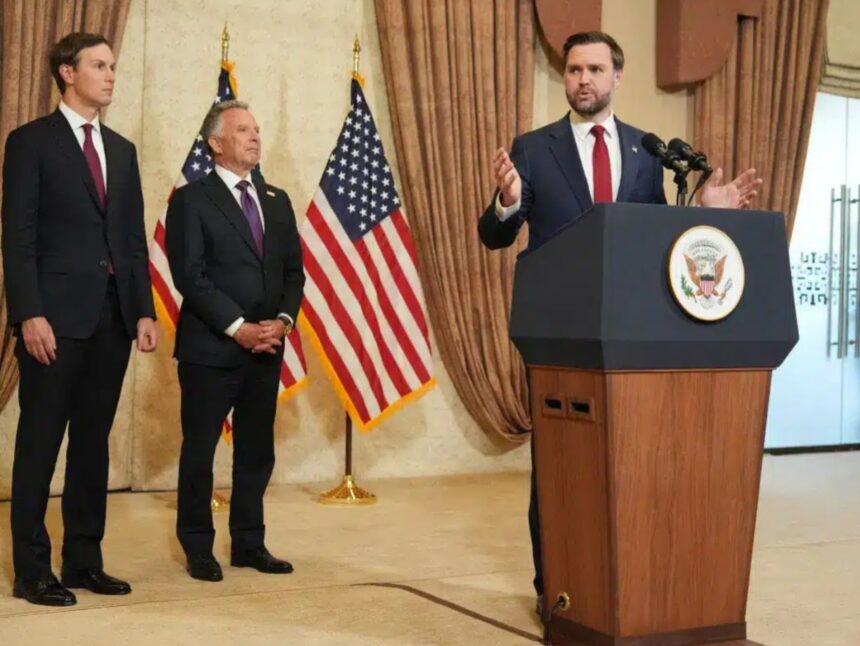
U.S. Vice President JD Vance disclosed on Sunday that Washington had presented what it described as its “final and best offer” to Tehran after nearly 21 hours of discussions—the highest-level engagement between both nations since the 1979 Islamic Revolution.
Speaking after the talks, Vance said the United States was seeking a firm commitment from Iran to abandon its pursuit of nuclear weapons.
“We leave here with a very simple proposal… our final and best offer. We’ll see if the Iranians accept it,” he stated, adding that Washington had yet to receive the “fundamental commitment” it demanded from Tehran.
Despite the deadlock, the U.S. indicated it would allow Iran time to consider the proposal, following a recent decision to pause joint military actions with Israel for two weeks to create space for diplomacy.
Pakistan, which hosted the talks, called on both sides to sustain dialogue and uphold the temporary ceasefire. The country’s Foreign Minister, Ishaq Dar, reaffirmed Islamabad’s commitment to facilitating continued engagement.
Iranian state media attributed the stalemate to what it described as “unreasonable demands” from the American side. Meanwhile, Iran’s Foreign Ministry suggested that reaching a breakthrough in a single meeting was unlikely given the scale of the conflict.
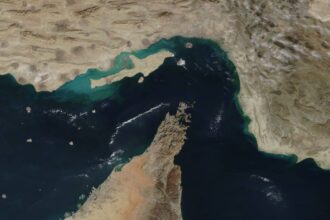
The war, which began on February 28 following strikes by the United States and Israel on Iran, has escalated tensions across the region. Tehran’s retaliatory actions have further intensified the crisis, including disruptions to global oil supply after the closure of the Strait of Hormuz, a key route for nearly one-fifth of the world’s oil shipments.
While the U.S. has deployed naval forces to secure oil tanker movement, Iranian authorities denied the presence of American warships in the strait and warned of possible retaliation.
The negotiations were marked by deep mistrust, with Iran expressing skepticism about U.S. intentions. Iran’s parliament speaker, Mohammad Bagher Ghalibaf, criticized past engagements, citing what he described as repeated failures and broken promises.
The Iranian delegation included Foreign Minister Abbas Araghchi, while the U.S. team featured senior officials such as Steve Witkoff and Jared Kushner.
Iran has demanded the unfreezing of its sanctioned assets and an end to Israel’s military campaign against Hezbollah in Lebanon as conditions for de-escalation. However, Vance maintained that the Lebanon conflict was not part of the Islamabad discussions.
Meanwhile, hostilities between Israel and Hezbollah continue to escalate. Lebanese authorities reported that Israeli strikes in southern Lebanon killed at least 18 people on Saturday, bringing the death toll from Israel’s operations since the conflict began to over 2,000.
Israeli Prime Minister Benjamin Netanyahu has ruled out a ceasefire with Hezbollah but signaled openness to separate peace talks with Lebanon, expected to take place in Washington next week.
The situation remains volatile, with diplomatic efforts ongoing but no immediate resolution in sight.