

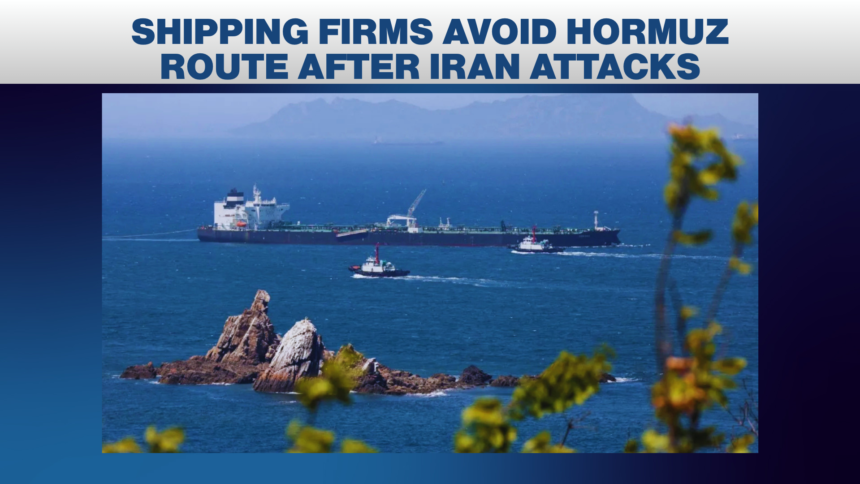
Shipping companies are avoiding using a U.S. military-guided transit scheme through the Strait of Hormuz after a wave of Iranian attacks on vessels sparked safety concerns, seven maritime security and shipping industry sources said.
For decades ships sailed into and out of the Gulf using a safe set of lanes down the middle of the strait established by the U.N.’s shipping agency in 1968 dubbed the Traffic Separation Scheme.
Since the Iran war began on February 28, Iranian forces have mined this area, forcing vessels to use one of two makeshift routes close to either the Iranian or Omani coast.
The U.S.-assisted initiative enabled the export of tens of millions of barrels of oil, helping dampen the impact on energy prices of the largest-ever disruption in oil and gas supplies.
Yet shippers are evaluating the route on the Omani side of the strait as increasingly dangerous after a wave of attacks on ships.
Iran’s Revolutionary Guards on Tuesday claimed responsibility for attacks on two Emirati oil supertankers.
situation.
“Iran’s continued ability to target ships sailing through the Omani route means the Trump administration’s proposed solution to keep ships moving is unlikely to work,” said Torbjorn Solvedt, principal Middle East analyst with risk intelligence company Verisk Maplecroft.