
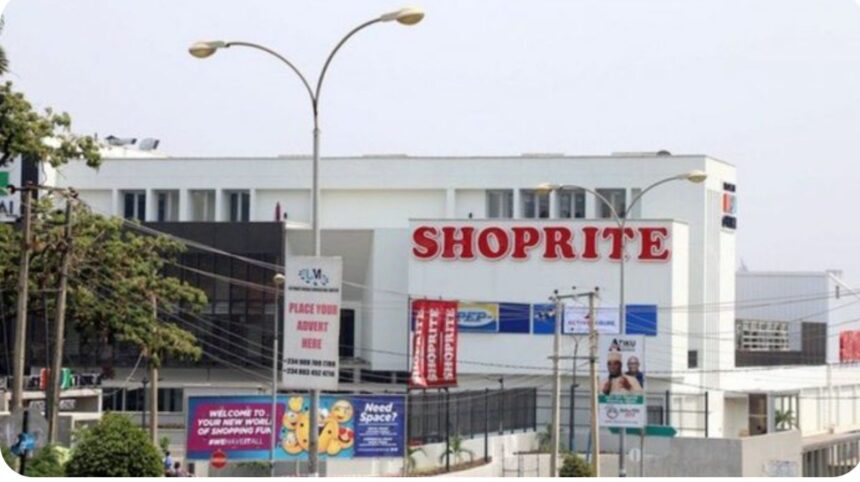
A Federal High Court sitting in Ikoyi, Lagos, has restrained the directors of Retail Supermarkets Nigeria Limited (Shoprite) from selling or transferring the company’s shares and assets pending the full settlement of a judgment debt.
The presiding judge, Ambrose Lewis-Allagoa, issued the order following an ex-parte application filed on November 21, 2025, in furtherance of a consent judgment earlier delivered on July 22, 2025.
In addition to the restriction, the court directed the company’s directors, including Jide Ogundare, to disclose all movable and immovable assets owned by the firm. This includes properties, financial holdings, and other valuable assets within and outside the country.
Counsel to the judgment creditor, Tobenna Nnamani, moved the application, urging the court to grant a garnishee order nisi to enable the attachment of funds belonging to the judgment debtor across multiple banks. The move is part of ongoing legal efforts to enforce the court’s earlier judgment and recover the outstanding debt.
As part of the enforcement process, the creditor has also demanded detailed disclosure of key company assets, including Shoprite’s distribution centre located in Ajao, Lagos, as well as its registered trademarks and other intellectual property.
Legal observers say the court’s directive signals a firm stance on ensuring compliance with judicial decisions, particularly in commercial disputes involving large corporations. The restriction on asset disposal is aimed at preventing the dissipation of assets that could frustrate the enforcement of the judgment.
The matter has been adjourned to May 7, 2026, for the continuation of proceedings, as the court monitors compliance with its orders and further steps toward satisfying the judgment debt.