
The United States has launched a fresh round of military strikes against Iran, marking another significant escalation in tensions between Washington and Tehran.
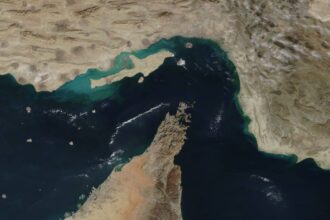
According to the U.S. Central Command (CENTCOM), the operation was carried out in response to recent attacks on commercial vessels transiting the Strait of Hormuz, one of the world’s most strategically important maritime routes for global oil exports.
In a statement, CENTCOM said the strikes were designed to impose “heavy costs” on Iran for what it described as attacks on commercial shipping and actions that endangered the lives of innocent civilian crews. U.S. military officials maintained that the operation was intended to protect freedom of navigation and safeguard international maritime trade in the region.
The Strait of Hormuz remains a critical gateway through which a substantial portion of the world’s crude oil supply is transported each day. Any disruption to shipping activities in the narrow waterway has the potential to affect global energy markets and raise concerns over international security.
The latest military action comes just weeks after U.S. President Donald Trump revoked a waiver that had permitted limited sales of Iranian oil, a move widely seen as increasing economic pressure on Tehran. The decision has further strained relations between the two countries despite a Memorandum of Understanding signed three weeks earlier, which had raised hopes of improved diplomatic engagement.
Iran has denied any involvement in the reported attacks on commercial vessels, rejecting the accusations made by the United States. Iranian officials have consistently maintained that the country is committed to regional stability and has called for dialogue rather than military confrontation.
Despite the renewed hostilities, U.S. officials say diplomatic efforts have not been abandoned. They insist that negotiations aimed at reaching a broader agreement with Iran will continue, even as both sides remain at odds over security issues and regional influence.
The latest developments have heightened concerns among the international community, with analysts warning that further escalation could threaten stability in the Middle East, disrupt global trade, and impact international energy supplies.