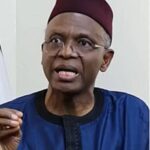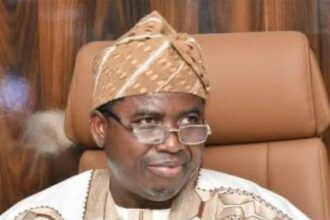

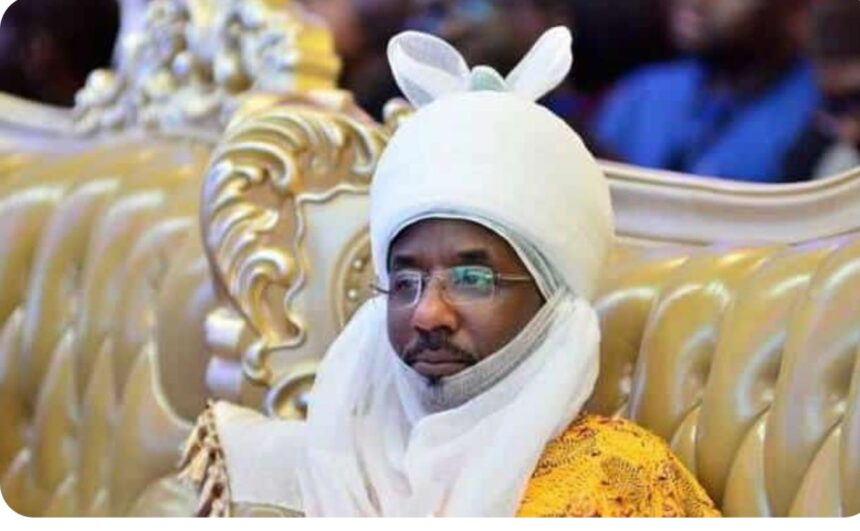
The Emir of Kano, Muhammadu Sanusi II, has raised concerns over the Federal Government’s continued reliance on borrowing despite the removal of petrol subsidy, warning that poor timing and weak fiscal discipline could undermine the gains of recent economic reforms.
Speaking in an interview aired by News Central TV on Friday, the former Central Bank governor acknowledged that scrapping the fuel subsidy and liberalising the exchange rate were necessary steps. However, he argued that the sequencing of the policies has created new economic pressures.
Sanusi criticised Nigeria’s long-standing dependence on foreign refineries while domestic refining capacity remained underutilised, describing it as a systemic failure. He reiterated that the subsidy regime was unsustainable, stressing that an oil-producing nation should not continue to rely heavily on imported petroleum products.
Despite his concerns, the monarch expressed optimism about recent developments in the sector, noting a shift towards domestic refining and exports. According to him, Nigeria is gradually moving from being a major importer of petroleum products to exporting to international markets, including Europe.
While supporting the policy direction, Sanusi questioned the timing of the reforms, particularly the liberalisation of the exchange rate. He warned that implementing such measures in a loose monetary environment contributed to the rapid depreciation of the naira.
He explained that removing subsidy and adjusting exchange rates without tightening money supply placed additional pressure on the currency, describing it as a critical policy misstep.
The Emir also highlighted Nigeria’s debt burden, noting that at a point when a significant portion of government revenue was being used for debt servicing, subsidy removal became inevitable. However, he questioned why borrowing has continued even after the subsidy was eliminated.
According to Sanusi, the expectation should be fiscal consolidation and visible economic benefits following the removal of subsidy payments. He challenged the government to explain the rationale behind ongoing borrowing, asking what the funds are being used for despite the supposed savings from subsidy removal.
Sanusi concluded by stressing the need for disciplined fiscal management to ensure that the intended benefits of the reforms are not lost.