
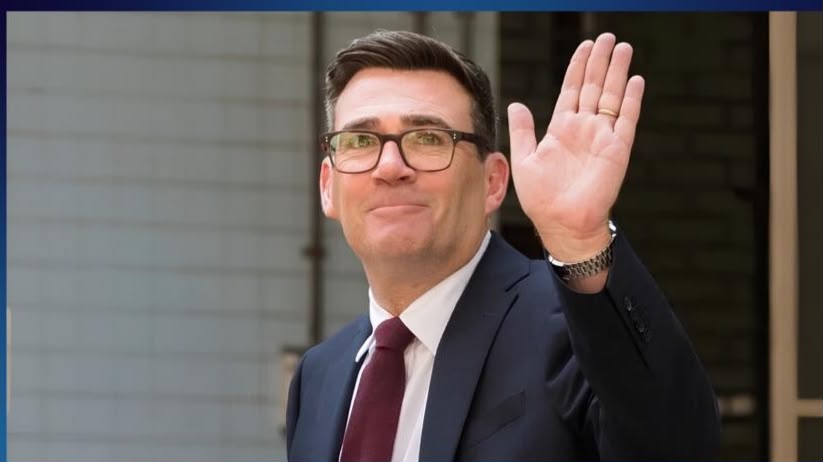
Andy Burnham has taken over as Britain’s seventh prime minister in the space of a decade, following the resignation of Keir Starmer after two years in office. Starmer stepped down despite having secured a commanding parliamentary majority for the Labour Party, bringing an abrupt end to his leadership.
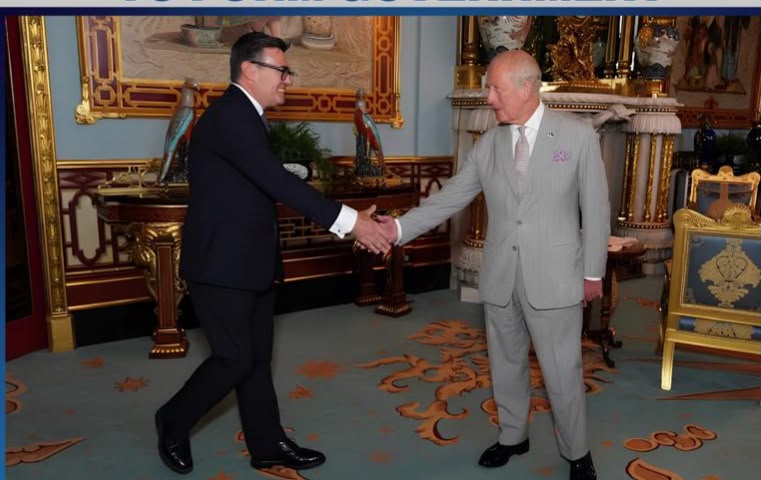
Burnham was elected unopposed as leader of the governing Labour Party on Friday, clearing the way for him to assume the country’s top political office. On Monday, Starmer formally tendered his resignation to King Charles III at Buckingham Palace. The King then invited Burnham to form a new government, marking the official transfer of power.
Speaking outside Downing Street shortly after taking office, Burnham said his administration would take a different approach to governing, with immediate attention on the rising cost of living and the pressure facing households across the country. He said easing financial strain on families would be one of his first priorities.
The new prime minister also sought to reassure markets and the public that his government would remain disciplined on economic policy. He said he would stick to the country’s fiscal rules and avoid taking unnecessary risks with the economy, signalling that his government would balance support for households with caution over public finances.
Burnham added that a series of urgent measures aimed at helping families would be announced from Tuesday. While he acknowledged that the steps would not solve every problem facing the country, he said they would offer some immediate relief and provide a clear indication of the direction his government intends to take.