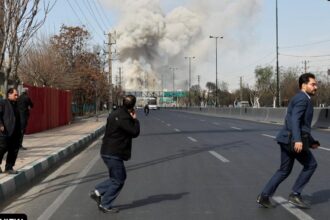

The pump price of Premium Motor Spirit (PMS), commonly known as petrol, is approaching ₦1,400 per litre across several parts of Nigeria, driven by rising global crude oil prices linked to tensions between the United States and Iran.
The increase follows the failure of both countries to reach a ceasefire agreement that could reopen the strategic Strait of Hormuz, a key global oil supply route. The prolonged crisis, alongside reports of the United Arab Emirates exiting the Organization of the Petroleum Exporting Countries, has intensified pressure on international oil markets.
Brent crude prices surged from $105 per barrel on Monday to $118 by Wednesday, triggering a ripple effect across Nigeria’s downstream sector. In response, the Dangote Petroleum Refinery increased its petrol gantry price from ₦1,200 to ₦1,275 per litre, with coastal supply prices rising to ₦1,215 per litre.
Industry data and sources confirmed that the refinery also temporarily halted its pro forma invoice process on Tuesday, disrupting supply scheduling and leading to a brief suspension of petrol and diesel sales to marketers.
Meanwhile, the Nigerian National Petroleum Company Limited raised the official selling prices of all 37 Nigerian crude grades for May-loading cargoes. Reports indicate that Nigeria’s flagship Bonny Light crude rose by $6.13 per barrel, while Forcados crude increased by $7.01 per barrel compared to April pricing.
The upward adjustment has sparked concerns that higher crude costs for refiners could further drive up petrol prices nationwide.
Checks across filling stations in Lagos and other South-West states show that pump prices climbed from an average of ₦1,250 to over ₦1,300 per litre within days. In Lagos and Ogun states, petrol now sells between ₦1,315 and ₦1,350 per litre, while prices in northern regions and remote areas have reached approximately ₦1,400 per litre.
In some border communities in Ogun State, residents reported prices nearing ₦1,700 per litre, citing supply constraints.
Reacting to the development, the National President of the Petroleum Products Retail Outlet Owners Association of Nigeria, Billy Gillis-Harry, warned that petrol prices could exceed ₦1,500 per litre if the Middle East crisis persists.
He noted that marketers are grappling with significant price volatility and urged the government to implement measures to cushion the impact on consumers, particularly in transportation and food costs.
Gillis-Harry also called for increased domestic refining capacity, suggesting that Nigeria should scale up local production to at least two million barrels for internal refining to stabilise supply and pricing.
Similarly, stakeholders in the refining sector have advocated for a shift away from international pricing benchmarks, arguing that reliance on Brent crude pricing inflates domestic costs.
The spokesperson for the Crude Oil Refiners Association of Nigeria, Eche Idoko, stressed the need for a locally driven pricing model that reflects domestic realities.
On his part, economist Bismarck Rewane suggested that the Federal Government could consider selling crude oil to local refineries at a fixed price, with conditions to stabilise the cost of refined petroleum products.
As global uncertainties continue to shape oil prices, industry players warn that Nigeria’s fuel market may remain volatile in the coming weeks.