
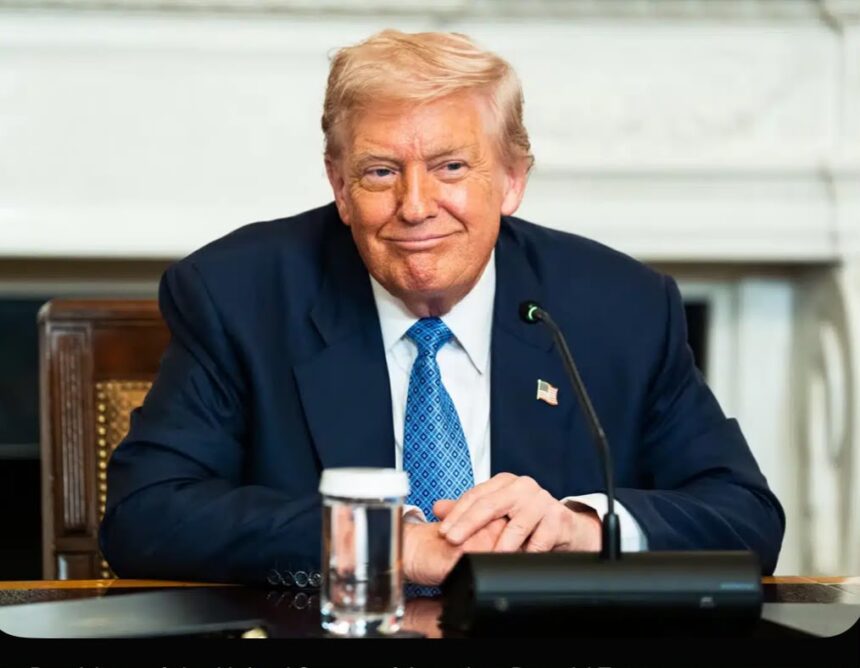
U.S. President Donald Trump has once again raised concerns over the issue of noncitizen voting, arguing that it poses a threat to the integrity of the American electoral system. The president accused the Democratic Party of permitting undocumented migrants to enter the United States with the intention of influencing election outcomes, while also calling for stronger federal oversight of the country’s voting process.
Trump maintained that voter fraud remains a significant concern and recently claimed that about 278,000 noncitizens are registered to vote in the United States. However, he has not publicly presented evidence to substantiate the figure or support his broader allegations of widespread voter fraud.
According to Reuters, the Trump administration has launched at least 39 criminal prosecutions over the past 18 months involving individuals accused of unlawfully participating in U.S. elections as noncitizens. Federal authorities say these cases form part of a broader effort to enforce existing election laws.
In addition, the U.S. Department of Homeland Security is reportedly investigating more than 325 suspected voter fraud cases across multiple states. The investigations are aimed at determining whether any violations of federal election laws have occurred.
The White House has defended the administration’s enforcement actions, stressing that voting by noncitizens in federal elections is a criminal offence under U.S. law. Officials said anyone found guilty of violating election regulations will face prosecution, adding that the government’s priority is to safeguard the credibility, transparency, and integrity of the nation’s electoral process.
The issue of election security and voter fraud remains a politically contentious topic in the United States, with supporters of stricter voting measures arguing they are necessary to protect public confidence in elections, while critics maintain that documented cases of noncitizen voting are relatively rare and caution against claims that are not supported by verifiable evidence.